Humanoid Robots: A 2026 Guide for UK Businesses
A convincing demonstration is not the same as a dependable workplace tool. A humanoid robot UK businesses are considering needs to be judged by the tasks it can perform in a real setting, not by how impressive it looks on camera.
It’s reasonable to ask what sets a humanoid robot apart from a delivery, cleaning or reception robot, and whether it can work safely alongside your team. Capabilities vary by model. A staged demonstration alone won’t show how a robot handles your layout, changing routines or everyday interruptions.
This guide explains the category in plain English and sets out how to assess whether a humanoid robot could assist with specific, repeatable tasks in your business. You’ll find practical criteria for task fit, staff routines, safety and deployment, including questions to raise about site assessment, installation, integration and ongoing support. GO Robotics supplies commercial robots to businesses across the UK, including the Unitree H1, and can begin with a site survey to discuss your workplace and intended use. The aim is to make a grounded decision based on your operation, not the spectacle of a demonstration.
Key Takeaways
- A robot’s humanoid label describes its form, not an assumed ability to perform any workplace task.
- Assess a task by its steps, objects and working conditions. Separate demonstrated capabilities from general claims or future plans.
- Compare humanoid robots with purpose-built delivery, cleaning and inspection robots by task fit, setting, staff involvement and support.
- Prepare for deployment by defining the task, assessing the site and involving staff. Plan site mapping where it is relevant.
- GO Robotics can help you assess a use case, including a site survey and discussion of the Unitree H1. Judge a humanoid robot UK businesses are considering against a specific operational need.
What does a humanoid robot mean for a UK business?
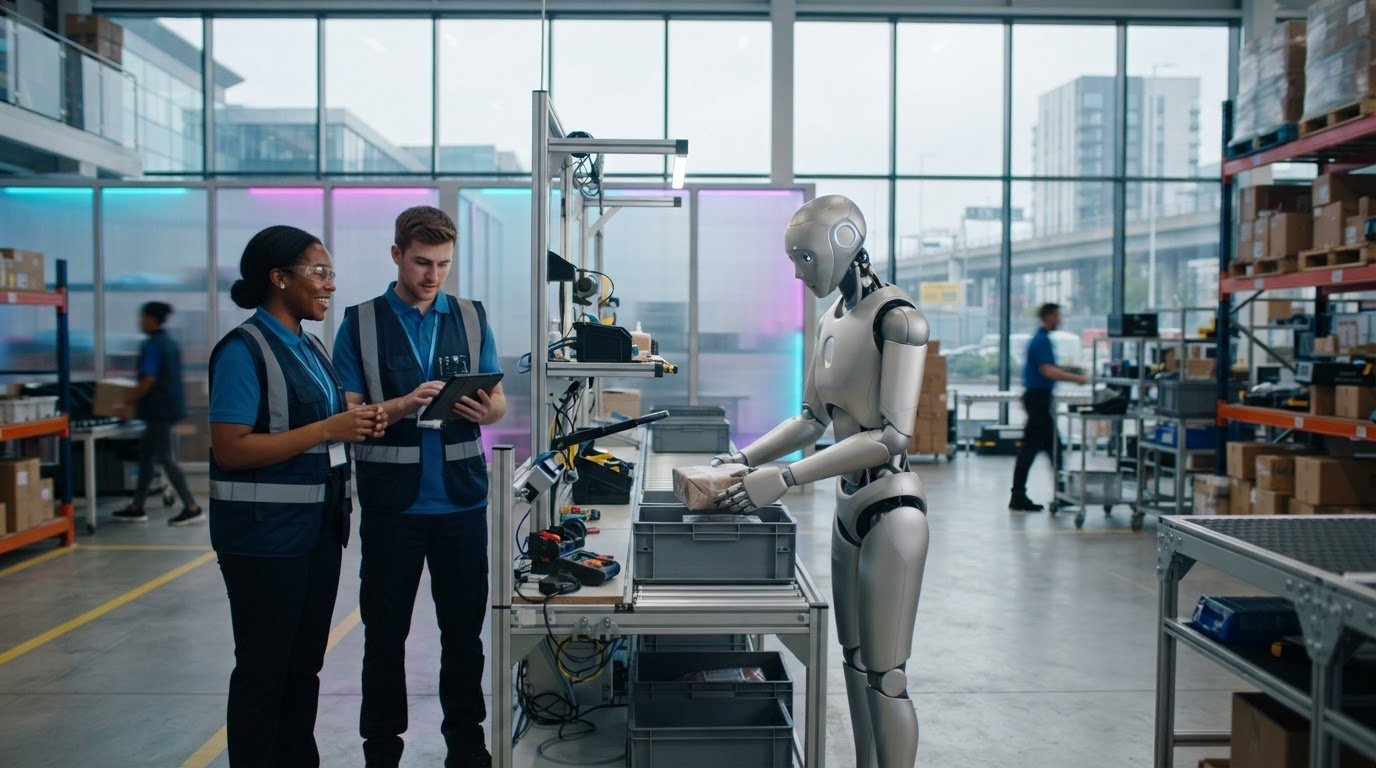
A warehouse manager reviewing repetitive handling, or a hotel operator looking at physically demanding back-of-house work, should start with the task rather than the robot’s appearance. A humanoid robot is designed with a human-shaped body, typically with features such as a torso, arms or legs. That describes its form, not what it can reliably do. The Humanoid robot overview discusses the category’s design and purposes, but each model still needs to be assessed on its own capabilities.
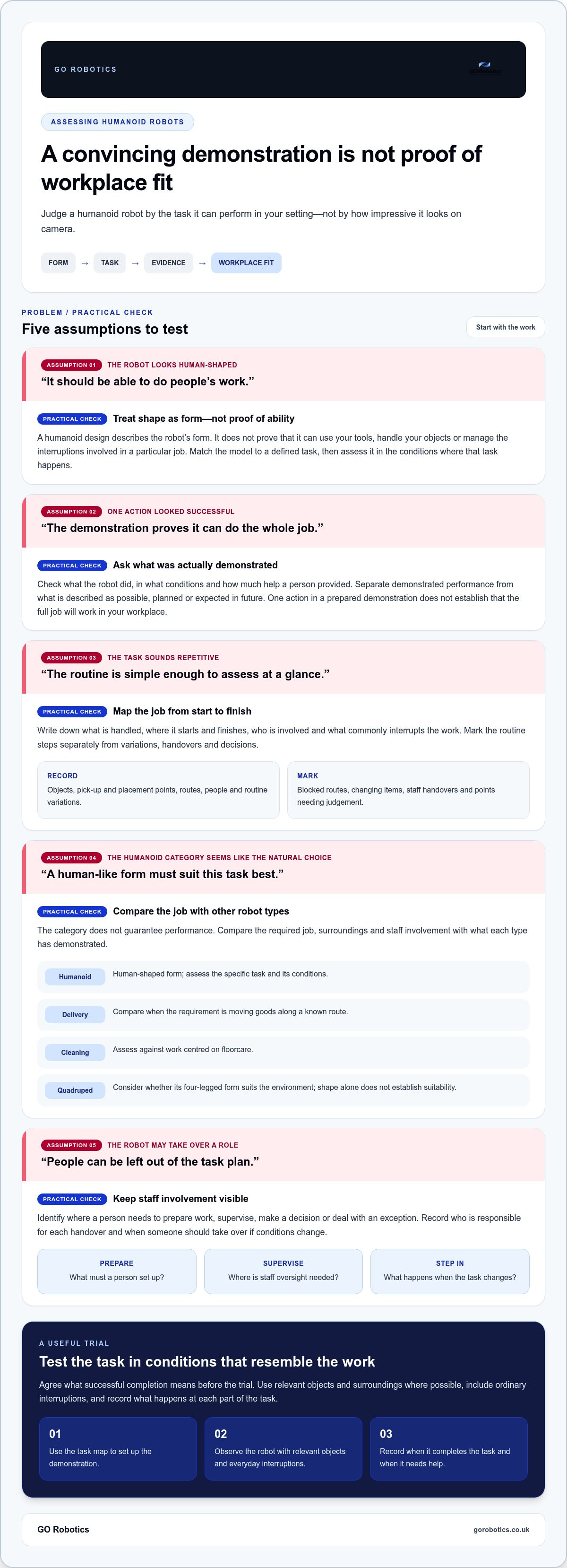
For a business, that distinction matters. A human-like outline may suggest that a robot can fit into a workplace designed for people, but it doesn’t prove that it can use the tools, handle the objects or manage the interruptions involved in a particular job. Match the model to a defined task, then assess it in the conditions where that task takes place.
Describe the work in practical terms before looking at equipment: what needs moving or handling, where it starts and finishes, who currently does it, and what commonly interrupts it. Separate regular steps from exceptions. Work that seems repetitive on paper may still involve changing objects, handovers or decisions that need a member of staff.
- Define the task: Describe the work that needs doing, rather than a hoped-for role for the robot.
- Record the setting: Note the people, objects, routes and interruptions involved.
- Keep staff in the picture: Identify where a person needs to prepare work, supervise or deal with exceptions.
How is a humanoid robot different from other business robots?
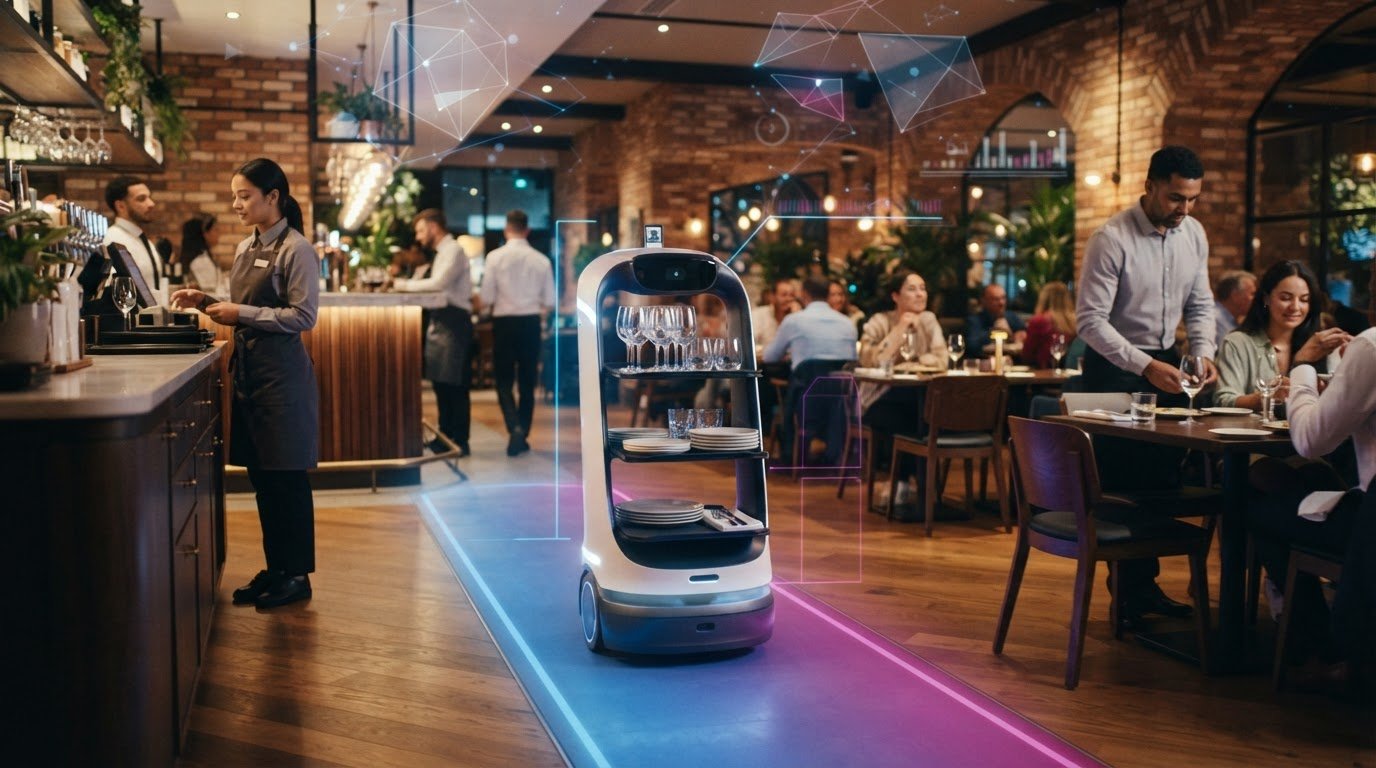
The main difference is form. A humanoid has a human-shaped design; a delivery robot is designed around delivery work, a cleaning robot around cleaning, and a quadruped around a four-legged shape. None of these categories guarantees a particular level of performance. Compare the job you need done with the robot’s demonstrated ability to do it in the relevant environment.
For example, if the requirement is to move goods along a known route, compare a humanoid with a delivery robot before assuming that a human-like form is useful. If the work centres on floorcare, assess a cleaning robot against that task. A quadruped may be relevant where its form suits the environment, but its shape alone doesn’t establish suitability. In every case, consider the actual job, surroundings and staff involvement.
Why are UK businesses exploring humanoid robots?
Interest often starts with a practical question: could a robot assist with a defined, repetitive or physically demanding task? That’s a useful starting point when the task is specific enough to assess and staff remain part of the plan. Identify the work first, then distinguish what a model has demonstrated from what is claimed, planned or predicted. Broad forecasts don’t show that a robot can do your team’s daily work.
Treat early exploration as an operational assessment, not a commitment to replace a role. Consider how consistent the task is, what happens when conditions change and where people need to make decisions. You’ll then have a clearer basis for deciding whether to assess a humanoid, compare another robot category or keep the task with staff.
What can a humanoid robot do, and what must a business test?
Start with the job, how often it happens and the conditions around it. For example, a robot moving items between work areas needs to be assessed against the objects, route, nearby people and handovers involved in that task. A demonstration of one action doesn’t establish that the robot can complete the whole job in your workplace.
Separate demonstrated performance from what a supplier describes as possible, planned or expected in future. Ask what the robot actually did, in what conditions, and how much help a person provided. For a humanoid robot under consideration, this distinction keeps the decision grounded in evidence about the intended task rather than assumptions based on appearance or broad claims.
Task-specific testing matters because an action can change with the object, workspace, timing, nearby staff and need for human judgement. Performance in a controlled demonstration may not show whether the task fits a live workplace routine. Before a trial, agree what successful completion means and what should happen if the robot needs help.
Map the task before assessing a robot
Write down the job from start to finish. Note the objects handled, where they are picked up and placed, who is involved, and the spaces the work passes through. Include routine variations, such as a different item arriving or a route becoming temporarily blocked.
Then mark the points where staff judgement, communication or intervention is needed. A person may need to check an item, respond to a colleague, decide what to do with an exception or take over when conditions change. Record how the task fits shift routines and who is responsible for each handover. This task map gives you a practical basis for deciding what a robot would need to do and what should remain with people.
Check claims against a real operating environment
Set up a structured demonstration around the task you have mapped. Use relevant objects and surroundings where possible, and include ordinary interruptions instead of relying only on a clear, prepared route. The purpose is to see how the robot performs when the work resembles your day-to-day operation.
Keep a record during the trial. For each part of the task, note whether the robot completed it, needed help or left the work for a person. Record any differences between the demonstration conditions and the actual workplace, too. Results are easier to assess when you know exactly what was tested.
- Completed: Which task steps did the robot perform during the demonstration?
- Assisted: Where did a staff member need to guide, reset or intervene?
- Still manual: Which decisions, exceptions or handovers remained with people?
- Not tested: Which workplace conditions or task variations weren’t included?
Don’t assume a named model can carry out a task without information or a demonstration to support that conclusion. GO Robotics lists the Unitree H1 among its offerings, but your assessment should focus on evidence for the job you have in mind, not capabilities inferred from the model’s form. The GOV.UK report on the economic impact of robotics in the UK provides wider sector context; your own assessment still needs to address your workplace. If you’re defining a use case, a workplace site survey can help assess the setting and requirements.
How should you compare humanoid robots with other options?
Compare the work, not the spectacle. A humanoid form may be relevant when a task involves different actions in a people-centred space, but appearance doesn’t show whether the robot can perform those actions. For a clearly defined task, a purpose-built delivery, cleaning or inspection robot may be a better fit. A simpler design can be more appropriate when it matches the work and surroundings without adding functions the task doesn’t need.
Use the same criteria for every option. Separate confirmed information about a model from assumptions, planned functions or general claims. Avoid ranking products when you don’t have evidence to compare their performance. Instead, assess task fit, workplace conditions, staff involvement and the support needed to introduce the equipment.
Comparison point
Humanoid form: Consider whether the task and setting make a human-shaped design relevant. Confirm which specific actions the model has demonstrated.
Delivery category: Consider whether the requirement centres on moving items between defined points, and how that work fits the site and staff handovers.
Cleaning category: Consider whether the work is floorcare or another defined cleaning task, and how it fits around people and the venue’s routines.
Inspection category: Consider what needs checking, where the inspection takes place and when a person must review or act on the result.
Across every option: Look at the working environment, human involvement, training, integration and ongoing support. A category label alone doesn’t prove suitability.
When might a task-specific robot be a better fit?
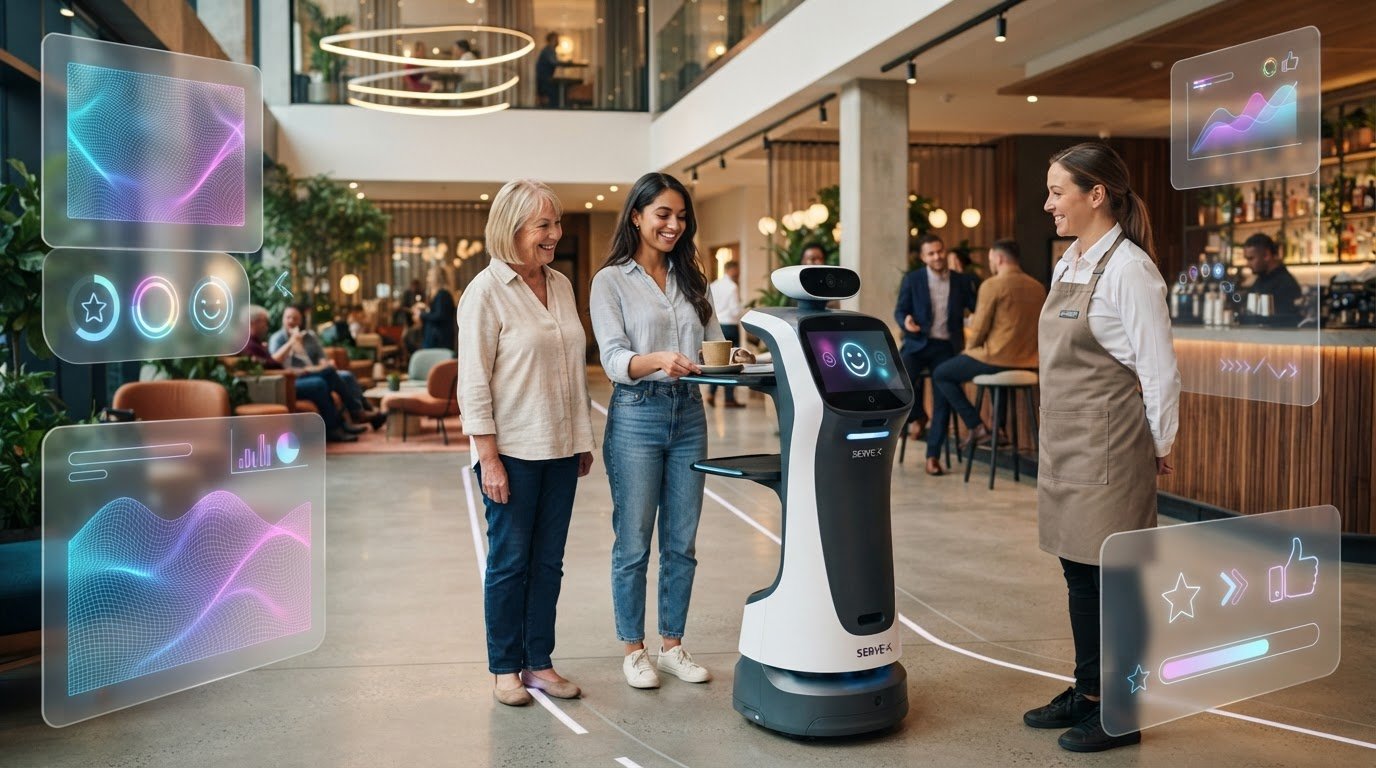
Dedicated equipment can suit work with a clear purpose and repeatable process. If your requirement is to deliver items, clean floors or carry out a defined inspection, compare the relevant robot category directly with that job rather than choosing a humanoid because its form looks adaptable. In a hotel, restaurant or pub, consider how a robot fits the service flow and staff routines. This guide to service robots for hospitality explores venue operations.
Which comparison questions matter to decision-makers?
Assess each option against your task and actual site conditions. Ask what site mapping, integration and staff training may involve, then consider the ongoing support required. A humanoid robot should be judged on documented model information and relevant demonstrations, not assumed functions or future plans.
Involve operations staff in the comparison. They can identify routine handovers, busy periods and exceptions that a high-level task description may miss. For each option, record what is known, what remains untested and what a person would still need to do. This makes the comparison useful beyond the initial demonstration.
Keep the decision tied to the task. If a robot can’t show that it suits the work and setting, its form or category isn’t enough to make it the right choice. A measured comparison focuses attention on practical fit and the support required, rather than novelty.
How can a UK business prepare for humanoid robot deployment?
Deployment planning starts with the workplace. The task, people, access routes and existing routines all affect whether a robot can be used there. Before choosing equipment, set out what work you want it to assist with and how it currently gets done.
Use a clear sequence to turn the idea into a practical assessment:
- Define the task. Describe the work from start to finish, including what a person currently does and where exceptions occur.
- Set the boundaries. Identify the operating area, nearby people, objects involved and access routes that need assessment.
- Review safety and oversight. Consider the work environment, how staff will supervise operation and what should happen if the task cannot be completed as planned.
- Discuss site mapping and integration. Site mapping means creating a digital layout of the workplace to support robot navigation. Identify systems, handovers or routines that may need to work alongside the robot.
- Prepare the team. Involve staff in planning, agree responsibilities and identify the training needed before the robot is used.
For a humanoid robot being considered by a UK business, each step should relate to the intended task and actual site. Planning around the workplace gives you a clearer view of access, safety, integration and staff involvement than a general product description can.
What should a site assessment cover?
A site assessment should connect the proposed task with the place where it would happen. Review the operating area, access, nearby activity and current workflow, including where people pass work between teams or step in to make decisions. These details help you frame practical questions about safety, integration and site constraints.
GO Robotics carries out site surveys to assess business use cases. A survey gives you an opportunity to discuss the work and workplace before planning installation or integration. It informs the assessment, but doesn’t by itself establish that a particular robot can perform every part of the task.
How should staff be involved?
Involve the people who do or oversee the task. They can describe routine variations, explain when judgement is needed and flag how equipment could affect handovers. Their input helps shape training and clarify responsibilities before operation begins.
Set expectations early. Staff may need to prepare items, supervise the robot, respond to interruptions or complete steps that remain manual. Plan how a robot can assist with defined work; don’t assume it will replace staff.
If you’re considering a use case, arrange a site survey with GO Robotics to discuss the workplace, task and deployment planning.
How can GO Robotics help you assess a humanoid robot?
Start with the work you want to improve, not assumptions about what a humanoid robot can do. GO Robotics lists the Unitree H1 among its offerings and works with UK businesses on site surveys, installation, integration and support. A discussion can help you define the task, consider the workplace and plan next steps around your operation.
Bring a practical description of the job: what happens, where it takes place, who is involved and what currently interrupts the workflow. Note what you want staff to continue doing and where a robot might assist. That gives the conversation a clear focus without assuming a particular model suits the task.
What happens when you discuss a use case with GO Robotics?
Describe the task, venue and operating context. A site survey helps assess the environment and deployment requirements, including how the proposed work fits existing routines. GO Robotics can then discuss suitable models and plan installation and integration. Ongoing technical support is available as part of the service, so deployment planning can include what your business may need beyond the initial setup.
The assessment should connect the intended task with the realities of the site. That includes the operating area, staff workflow and any integration considerations relevant to your project. A survey informs the discussion; it isn’t a promise that a robot will perform every task without human input or adjustment.
Where does Unitree H1 fit into the conversation?
Unitree H1 is a humanoid model listed among GO Robotics’ offerings. Its place in your assessment depends on the use case you want to examine, not assumptions based on its form or product category. Discuss the work you expect it to assist with and the site conditions involved, then focus on the model information and deployment requirements relevant to that task.
That keeps the conversation practical. For businesses considering a humanoid robot deployment in the UK, a useful first step is to discuss the task and workplace together, rather than rely on a broad claim about what the technology might do.
If you’re weighing up purchase against a rental arrangement, the robots-as-a-service UK business guide explains that option separately. To discuss your task, venue and operating requirements with GO Robotics, discuss your business use case.
Make your next step a practical one
A humanoid robot you’re considering for your UK business doesn’t need to address every operational challenge at once. Choose one task worth examining and decide what evidence would help you make the next decision. That could mean agreeing what a useful demonstration should show, which staff need to be involved and what would make you pause or revise the plan.
Keep other options on the table. If assessment shows that a purpose-built robot or an existing staff process fits the work better, that is useful information. The aim is to make a grounded choice for your workplace, with people involved in setting expectations from the outset.
GO Robotics works with businesses across the UK, from assessing requirements through to installation, integration and support. A site survey can help shape the discussion, with Unitree H1 among the humanoid models listed by GO Robotics. Talk to GO Robotics about your business use case and take the first step with a clearly defined task.
Frequently Asked Questions
What is a humanoid robot?
A humanoid robot is a machine designed with a body shape that resembles a person, often with a torso and limbs. It doesn’t need to copy human anatomy exactly, and the label doesn’t tell you what work it can do. Models differ in how they move, handle objects and interact with people, so check the specific design and intended use rather than assuming that all humanoid robots share the same functions.
What tasks can a humanoid robot perform in a business?
Tasks to investigate might include moving items, handling simple objects or carrying out defined actions in a work area. These are possible applications, not a guarantee that a particular robot can complete them. Start by listing the task’s inputs and outputs: what the robot would receive, what it must do, and what a person would need to check or take over.
Are humanoid robots ready for use in UK businesses?
Readiness depends on the model, task and conditions at your site. A humanoid robot being considered by a UK business may suit a controlled trial but still need further assessment before routine workplace use. Look for evidence tied to the intended job, including what happens when an object, route or instruction varies. Treat general demonstrations and future plans as different from proven performance in comparable working conditions.
How do humanoid robots differ from service robots?
“Humanoid” describes a robot’s form, while “service robot” describes its role in helping with tasks for people or businesses. The terms aren’t opposites: a humanoid could be used for a service task, but many service robots have other forms designed around a particular job. Delivery and floor-cleaning robots, for example, are grouped by the work they perform, not by whether they resemble a person.
Can humanoid robots work alongside human staff?
They can be assessed for work alongside staff when responsibilities and oversight are clear. Agree who prepares the task, who supervises operation and who responds if the robot stops or encounters something unexpected. Staff should know how the robot is meant to be used and how to report problems. The aim is to assess assistance with defined work, not assume a robot can take over a person’s full role.
How should a business assess a humanoid robot before deployment?
Set practical assessment criteria before a trial. For example, record whether the robot completes the agreed task, how often staff need to intervene and what happens when the task changes. Note the conditions and any assistance required, then gather feedback from the people who would work alongside it. This gives you a useful record for deciding whether to continue testing, adjust the task or consider another approach.
What should a UK business consider before introducing a humanoid robot?
Consider workplace safety, access, staff training, human oversight, data handling and how the robot would fit existing systems and routines. Identify the support and maintenance arrangements the deployment requires, and decide who in your business owns each responsibility. Your sector and site may raise specific requirements, so involve relevant operational and compliance leads early. Plan for exceptions as well as normal operation, including how staff can pause work and get help.