Hotel Automation Robots for Guest Help and Hotel Efficiency
A hotel robot is useful when it takes a clearly defined, repeatable task off a busy team’s list. Hotel automation robots can support service and routine work, but their value depends on how well each task fits your property, staff responsibilities and guests’ expectations. The aim is practical: use automation where it helps the hotel run smoothly, while keeping people responsible for decisions that need human judgement.
Choosing where to start takes more thought than selecting a machine. Consider the task, how it fits existing hotel routines and what guests will experience. A robot suited to one job may not suit another, so comparing applications is a useful first step.
This article explains how hotel automation robots can support guest service and daily operations, from delivery to information and cleaning. It covers how to assess repetitive tasks, practical constraints and the questions to ask before choosing an application. You’ll have a clearer basis for deciding whether automation fits your hotel.
Key Takeaways
- Separate guest-facing tasks, such as deliveries and wayfinding, from back-of-house work to identify where a robot could help.
- Understand how delivery and concierge robots support routine guest requests while staff handle needs that call for personal attention.
- Assess how a robot would fit your hotel’s routes, guest experience and existing operations before choosing a task to automate.
- Look at repetitive journeys and floor-care duties to spot work that could be handled more consistently by a robot.
- Compare delivery, hospitality and cleaning models by the job you need done, then explore which options suit your hotel.
Guest assistance, concierge and wayfinding
Robots can support hotel guests with information, directions and routine service interactions. Their usefulness depends on matching each task to guest needs and the way staff provide assistance.
Robots can handle repeatable tasks, leaving people to respond to requests that need judgement or personal attention. Unlike reservation software, a mobile robot operates in the physical hotel, where routes and guest interactions shape its role.
Contactless Guest Experience
Contactless service lets guests receive information or an item without a staff member completing every handover. For example, a robot can bring requested amenities to a designated collection point, offering another way to access routine service. Reception staff remain available for follow-up requests. Clear instructions help guests understand how to request an item and where to collect it.
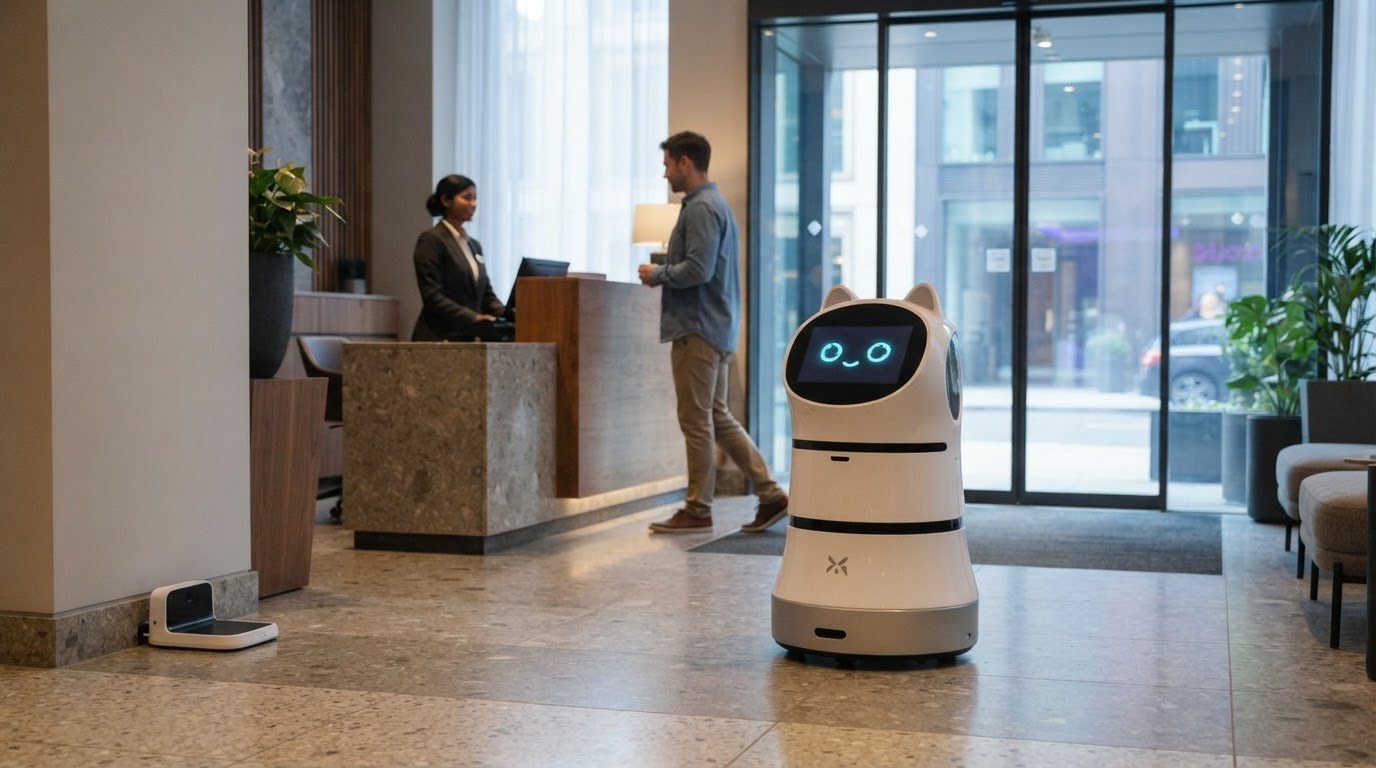
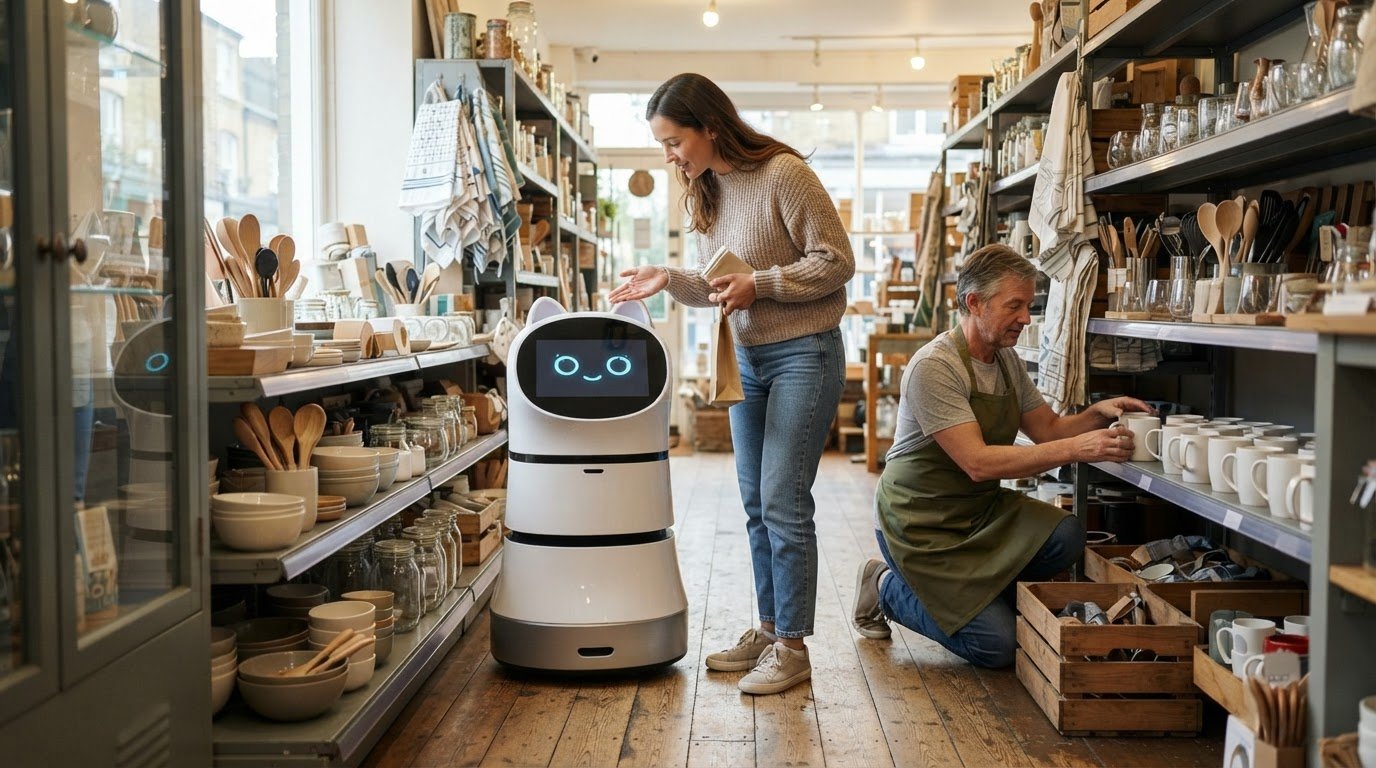
A concierge robot can display information about hotel facilities, such as restaurant arrangements or the location of a meeting room. Guests might use its screen to find a route or learn where to ask about an amenity. This adds another channel for routine information. Staff remain better placed to explain unusual arrangements, answer follow-up questions and make recommendations through conversation.
Wayfinding robots can direct guests to named destinations, such as reception, a restaurant or a meeting room. An escort function may help guests unfamiliar with the building. Before using a route, consider busy entrances, corridor turns and gathering points. Match destination names to hotel signs so guests can follow the directions or continue independently.
Queue management can also support this information role. A robot could direct arriving guests to check-in, a waiting area or a staffed desk for a more involved request. For example, reception staff can handle room queries while the robot points guests towards the right queue. Keep queue signs visible and avoid placing the robot where it obstructs access to the counter.
Guest Acceptance and Human Interaction
Guests are more likely to accept a robot when they understand its purpose and find its interactions useful. A clear greeting, visible destination choices and an obvious way to reach staff help set expectations. Someone looking for breakfast may welcome directions, while a guest raising an accessibility request may prefer a person. Offer both routes so the robot does not become a barrier to help.
Keep staff involved when a request needs care or discretion. A robot can indicate where reception is, but a person should handle complaints, urgent concerns and requests involving personal circumstances. If a robot collects guest information, the hotel must comply with GDPR, according to the European Union. Explain the information request in plain language and collect only what the service needs.
What are Hotel Robots?
Hotel robots are designed to perform defined service or cleaning tasks. Their role depends on the model, the building and the workflow they support.
UK hotels should assess safe movement through shared areas and ensure routes work for guests with different mobility needs. If a robot collects guest information, hotels need to comply with GDPR, according to the European Union.
Types of Hotel Robots
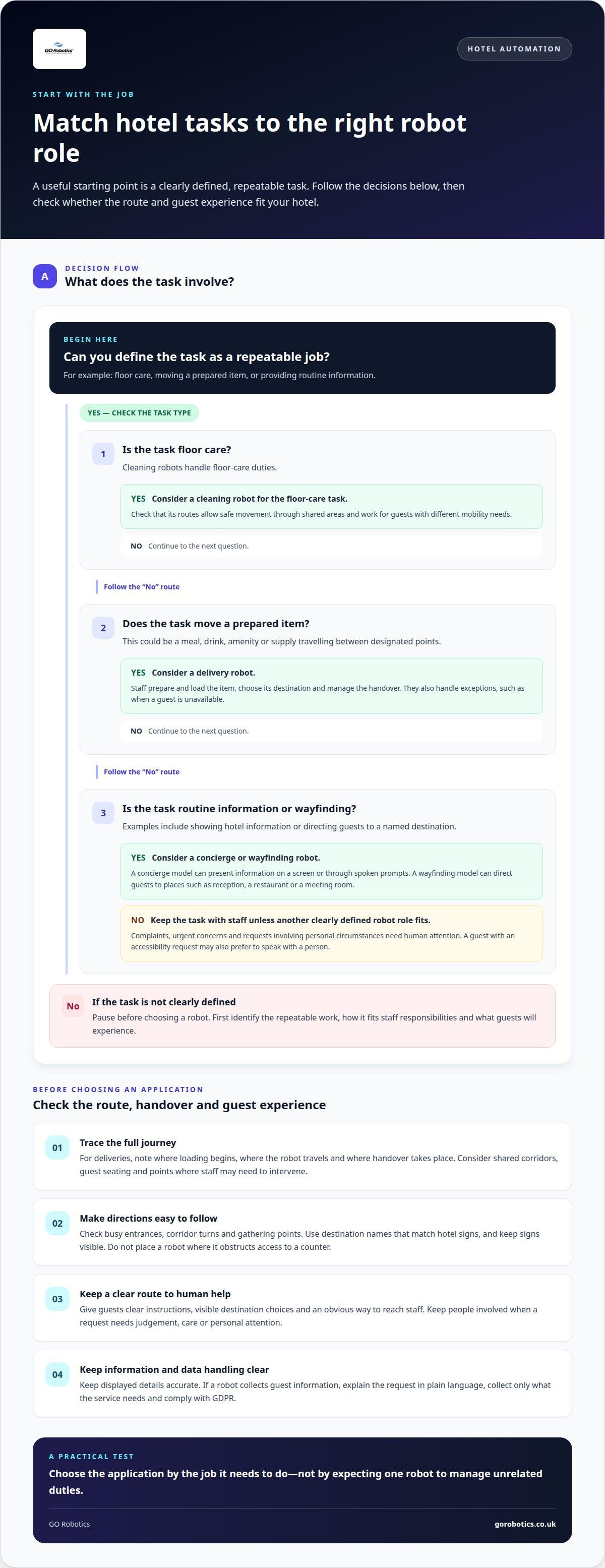
Hotels use delivery, concierge and cleaning robots for distinct tasks. Delivery models transport items; concierge models present information or directions; cleaning robots handle floor care. This distinction helps you choose a type for a specific operational need, rather than expecting one robot to manage unrelated duties. Some models combine functions, so assess each capability against the task.
Delivery and Concierge Functions
A delivery robot moves a prepared item between designated points, while a concierge robot provides information through a screen or spoken prompts. One might carry supplies from a service area to a collection point; another might display directions to a meeting room. Delivery depends on loading and handover arrangements, while information services depend on keeping displayed details accurate and useful.
Some delivery models have enclosed, lockable compartments that restrict access to an item during transit. The handover process determines how the intended recipient collects it. Staff still prepare the delivery, choose its destination and manage exceptions, such as when a guest is unavailable. This division clarifies where automation ends and staff responsibility begins.
Food, Room-Service and Amenity Delivery
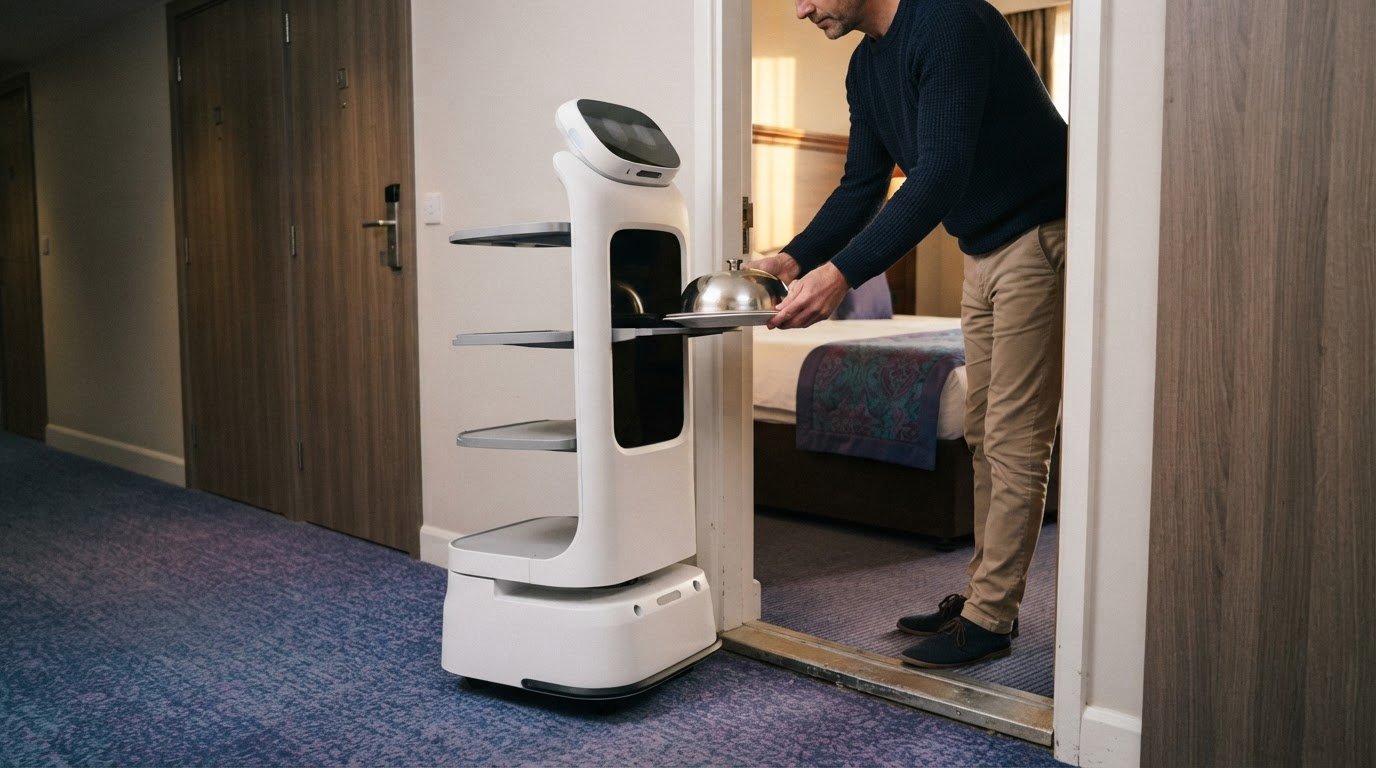
Room-service robots can carry prepared meals, drinks or amenities between service areas and guest destinations. Staff prepare and load the order, then the robot follows its assigned delivery task. Hotel procedures still guide guest communication and any collection that cannot proceed as planned. Separating meal deliveries from toiletries or towels can help teams organise distinct preparation routines.
Food service also needs a clear process for matching each order to its destination. Staff can verify the destination before dispatch and handle guest questions or changes. A robot transports the order; it does not replace kitchen preparation or staff judgement. This makes the expected role easier to explain to employees and guests before introducing the workflow.
Consider the route as well as the task. Map where loading begins, where the robot travels and where handover takes place. Note shared corridors, guest seating and points that require staff intervention. These observations help determine whether delivery fits the hotel’s daily operation or whether another task is more suitable for automation.
Labour optimisation and operational efficiency
Robots can take on defined, repetitive hotel tasks, but the operational benefit depends on where work builds up. Assess the task, handovers and workflow impact before making changes.
Operational Efficiency
Operational efficiency means completing routine work with fewer avoidable steps while maintaining the required service. For example, a delivery robot can carry items along a mapped route, leaving staff available for room requests or guest-facing duties. The value depends on whether the journey is frequent and predictable enough to automate.
Start with one workflow, such as moving supplies from a service area to guest floors. Map how the load is prepared and sent, who receives it and how exceptions are handled. This shows whether the robot removes a repeated journey or adds extra steps. The full process must work better for hotel operations to improve.
Workflow Planning
Plan how a task will work from start to finish before assigning it to a robot. For example, a robot assigned to floor care needs a suitable cleaning schedule and a clearly prepared work area. Decide who will manage handovers and what should happen if the route is blocked or the task cannot be completed.
Review the proposed workflow alongside the current one. A delivery route may involve repeated trips, but orders still need to be prepared and exceptions handled. If those steps interrupt the process, adjust the workflow before automating it. This helps avoid assigning a robot to a task that creates extra work elsewhere.
Assessing Performance
Assess an automation project against the needs of your operation. For a hotel, consider the task’s current pattern, the robot’s operating requirements and how it will fit into existing duties. This makes the decision specific to your operation rather than based on general claims about savings.
Set a baseline before deployment. For instance, record how room-service deliveries are prepared, how often the journey takes place and what happens when an order cannot be completed. After introducing automation, review the same steps and service outcomes. If staff still make every trip or guests experience delays, the workflow may not suit the robot.
Include service quality in the assessment. A robot may handle routine floor-care work while staff respond to spills or areas needing attention. Review task completion and how responsibilities are shared, then adjust the workflow if duties overlap. A clear comparison helps you decide whether to expand, change or stop that use case.
Hotel staff workload and repetitive tasks
Hotel teams balance guest requests with routine work across housekeeping, reception and food service. Repeated journeys and restocking can draw staff away from tasks that need conversation, judgement and hospitality experience.
Staffing Costs and Labour Challenges
Staffing costs cover the people and time needed to maintain hotel services. Labour costs consume approximately 33% of total hotel revenue, according to STR Global, making the way teams spend their time an important operational consideration.
A robot does not guarantee a set reduction in staffing costs. Hotels still need people to prepare deliveries, manage exceptions and respond to guests. The useful question is whether automating a defined task changes the workload without weakening service.
For example, map linen restocking from the housekeeping store to the floor where it is used. Record who moves the linen, when the task interrupts other work and what staff must still do. This gives managers a practical view of the labour involved.
Labour Shortages and Staff Support
Labour shortages make it harder to cover routine duties alongside changing guest demands. Robots can support staff with predictable tasks, such as transporting supplies between designated points, while people continue to provide the personal service guests may need.
Choose a task with clear boundaries. A robot might carry clean towels from a central store while a housekeeper checks room requirements and responds to guest requests. This division keeps responsibility clear and avoids expecting automation to make decisions that rely on context or human interaction.
During a busy shift, identify where tasks are repeatedly delayed. If staff make several supply journeys between floors, for instance, a delivery workflow may help. The team still oversees loading, destination details and handover, so the process must fit existing duties.
Staff Productivity and Engagement
Staff productivity is the useful work a team completes during normal operations. Automation may support it when repetitive tasks take time away from guest-facing work, such as helping a visitor with a room issue or explaining hotel amenities.
Engagement depends on how a change affects daily roles. Explain which task the robot handles, who prepares it and who steps in when something goes wrong. For example, housekeeping staff need a clear handover process if a delivery is incomplete or a route is blocked.
Review the workflow with the people doing the job. Ask whether loading, monitoring or exception handling adds steps, then adjust responsibilities where needed. Their feedback can show whether the system supports the team or creates extra demands alongside existing work.
Examples of hotel automation robots
Useful examples start with a task, not a robot specification. In a hotel, delivery, concierge and floor-care models do different jobs, so match each type to a clear operational need.
UK hotels can consider delivery, hospitality or cleaning robots according to the task. No single model suits every venue: a city hotel moving room-service orders has different needs from a property seeking help with floor care.
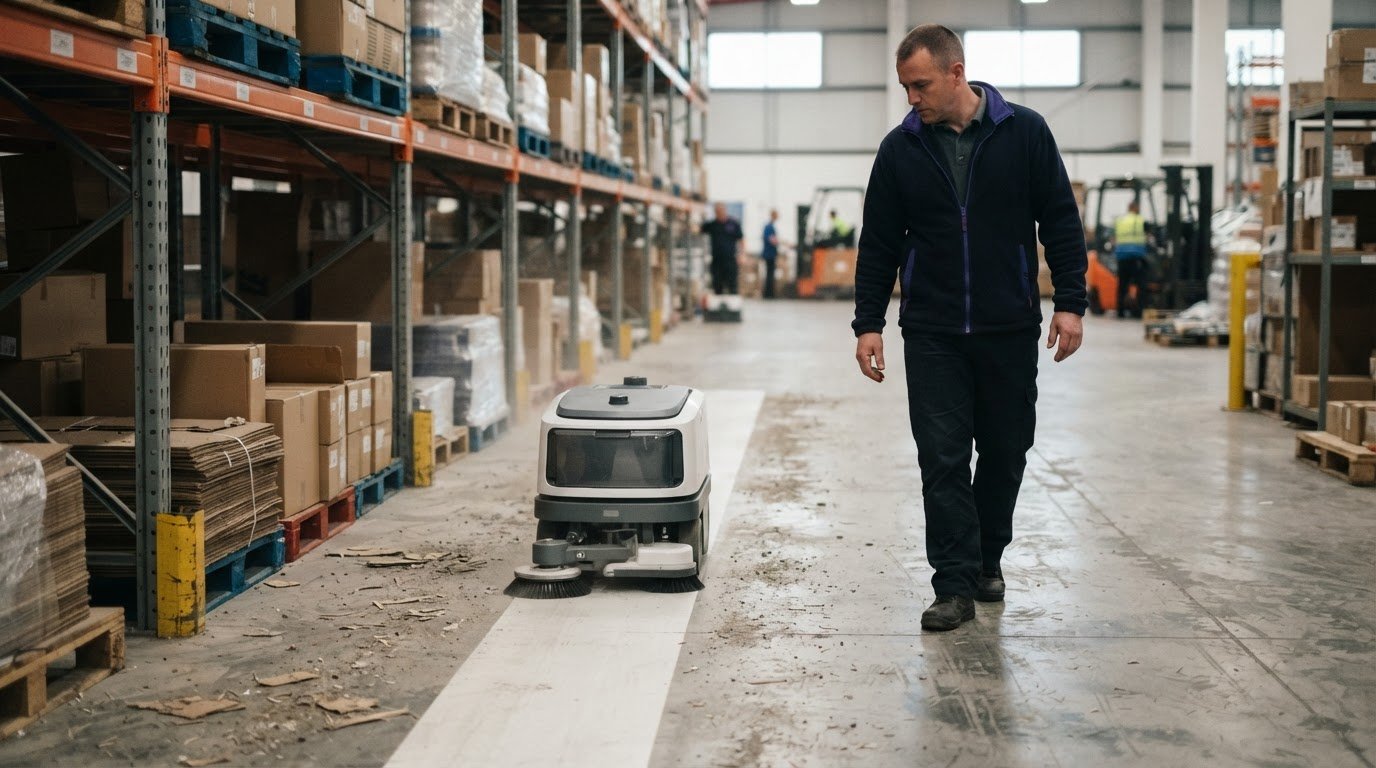
A delivery robot can carry items along a planned route, such as supplies from a service area to a guest floor. A concierge robot presents information, such as directions to a restaurant or meeting room. Autonomous floor scrubbers can perform repetitive cleaning, including vacuuming, floor scrubbing and spot treating. These examples show why the job should determine the category.
For housekeeping, consider whether a robot could support a defined cleaning task or move supplies between work areas. A concierge model might display information about hotel facilities, while a delivery model carries an item to an agreed handover point. Each use has different staffing, route and guest-experience implications. A clear task makes practical fit easier to assess.
Which UK hotels use automation robots, and what results have they reported? Deployments depend on the venue and application, so meaningful results compare a defined task with its previous process. Assess whether floor-care work is completed as planned or whether a delivery route changes staff involvement. Consider guest satisfaction and convenience alongside task completion.
Assess UK hotel robot suppliers by the models they provide and the tasks those models support. To choose and implement a robot, define the task, then assess routes, handovers, staff responsibilities and guest interactions. A floor-care trial, for example, needs a defined cleaning area and a process for staff to manage exceptions. Review performance against the original task before expanding use.
During implementation, map the work from start to finish. For a delivery route, identify where staff load items, how they select the destination and where the guest receives the order. For cleaning, define the area and the role of housekeeping staff. These details expose extra steps, route conflicts or unclear responsibilities before they affect hotel operations.
Keep the evaluation grounded in the task. Record what the robot must perform, who supports it and how the hotel will judge completion and guest response. If you’re assessing a use case, discuss hotel robot options that match the work you need done.
GO Robotics
GO Robotics can help assess whether hotel automation suits a defined task, such as guest deliveries or hospitality support. Its hotel-relevant range includes Pudu BellaBot, Pudu KettyBot and Pudu HolaBot. The right choice depends on your hotel’s routes, handover process and the work you want to change.
A site survey grounds the recommendation in your venue and intended workflow. It can help when you have identified a repetitive task but need guidance on which model suits it and how it fits existing operations. The aim is to match the robot to the job while keeping staff involved whenever guests need personal assistance.
To discuss a suitable robot for your hotel, contact GO Robotics.
Choose a clear starting point for hotel automation
Choose one hotel workflow and define what a good result looks like. For hotel automation robots to fit well, clarify the task, staff responsibilities and guest handover before extending automation elsewhere.
GO Robotics offers Pudu BellaBot, Pudu KettyBot and Pudu CC1 for hospitality settings. The right discussion starts with the job your hotel needs done, then considers how a suitable model could fit the venue and its existing routines.
Discuss hotel robot options with GO Robotics and explore a practical starting point for your team. A focused first decision can help you modernise hotel operations at a pace that suits your property.
Frequently Asked Questions
Healthy Skepticism from Hoteliers?
A robot needs to work in your hotel’s actual conditions, so assess the fit carefully. Identify a specific task and agree how to measure it, such as whether staff involvement changes or service remains consistent during busy periods. Include the team who will work alongside the robot. If routes are frequently blocked or requests need personal judgement, that task may be a poor fit for automation.
What Are Robots in Hospitality?
Robots in hospitality perform set service or cleaning tasks in places such as hotels and restaurants. Some travel between locations carrying items; others provide information or clean floors. Unlike software automation, which processes digital tasks such as reservations, a physical robot operates in the building. Its usefulness depends on the task, surroundings and handovers. Staff remain responsible for decisions and guest needs that require personal attention.
What tasks can hotel automation robots perform?
Hotel automation robots can support deliveries, guest information and routine floor cleaning. A hotel might use a delivery model to move supplies between service points or assign a cleaning model to a defined floor-care schedule. The right task depends on the robot’s design and the venue’s workflow. Staff remain essential for judgement, complaints and personal care, and can intervene when a delivery or cleaning run needs attention.
What is the return on investment for hotel automation robots?
There is no single return on investment that applies to every hotel. Assess the specific workflow by comparing current staff time and service outcomes with the work that remains for employees after automation. Track how often the task occurs and review the same measures after deployment. Then decide whether the operational benefit justifies continuing or expanding its use.
What space, Wi-Fi and lift requirements do hotel robots need?
Space, connectivity and lift needs depend on the model and building. Assess corridor width, turning areas, doorways, guest traffic and where the robot must stop. Check Wi-Fi coverage along the intended route and whether lift access or integration is needed between floors. Multi-floor capability varies by model, so assess the specific robot and site layout before deciding whether it will work.
What are the risks and limitations of using robots in hotels?
Robots may be a poor fit when a task depends on judgement, changing instructions or routes that are often obstructed. Staff must remain available for exceptions, guest concerns and tasks outside the robot’s role. Hotels should also consider access for guests with different mobility needs, safe movement through shared areas and how collected information is handled. If a robot collects guest information, hotels must comply with GDPR.